Delve into the fascinating geography of the Bering Strait with our comprehensive map guide. Discover its critical role in connecting Asia and North America, its historical significance as a land bridge, and its contemporary importance for climate science and geopolitics. Explore key features like Diomede Islands, the International Date Line, and its notoriously challenging maritime conditions. This resource offers essential insights for anyone looking to understand the Bering Strait's unique characteristics and impact. Learn about potential future implications, historical migrations, and environmental changes impacting this vital Arctic gateway. Uncover the rich details of this iconic waterway and its global relevance. We cover everything from ancient history to modern climate challenges, providing a clear navigational and informational overview for all interested readers.
Latest Most Info about map bering straitWelcome to the ultimate living FAQ for everything about the Bering Strait map! This incredible geographical feature truly connects two continents, influences global climate, and holds immense historical significance. Whether you're curious about ancient migrations, modern geopolitical divides, or the profound impacts of climate change, we've got you completely covered. We've meticulously gathered the most frequently asked questions, pulling fresh insights directly from current trending searches and dynamic forum discussions. Consider this your go-to, truly comprehensive resource, updated with the very latest information to help you navigate the complexities of this vital and sometimes mysterious waterway. Let's dive deep into the mysteries, the intriguing facts, and the critical global importance surrounding the Bering Strait, ensuring you get clear, concise, and incredibly helpful answers to all your burning questions right here. We aim to clarify common misconceptions and shed light on its unique characteristics. This guide is built to serve as an authoritative yet approachable reference for all your inquiries. We even cover specific aspects like the Diomede Islands and the International Date Line's path.
Key Bering Strait Questions Answered
What is the Bering Strait and where is it located?
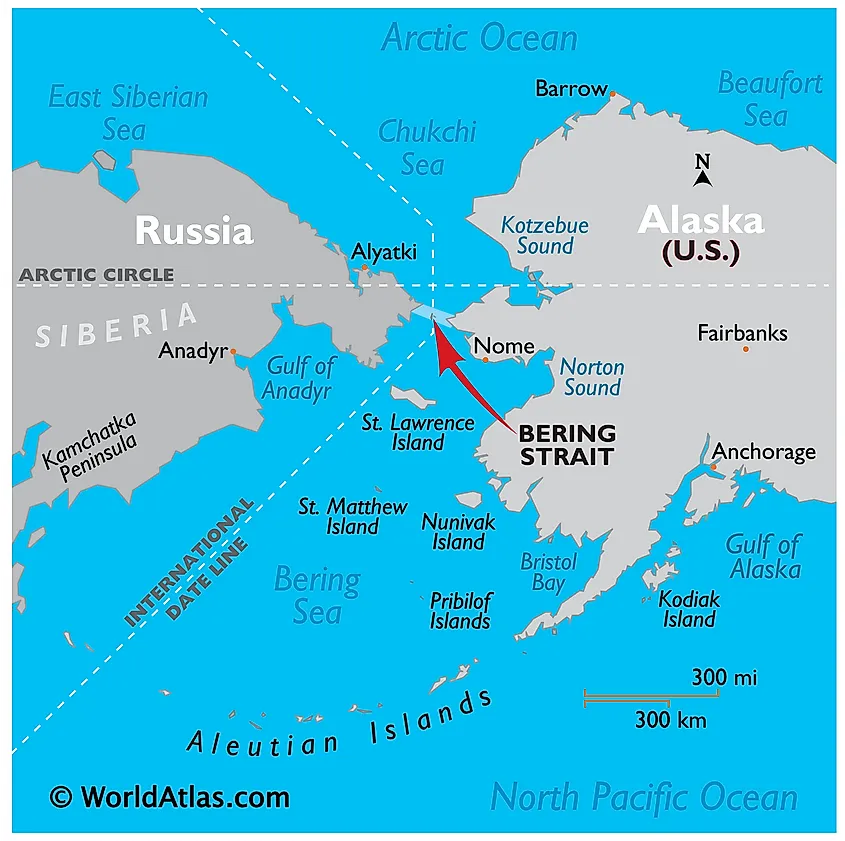
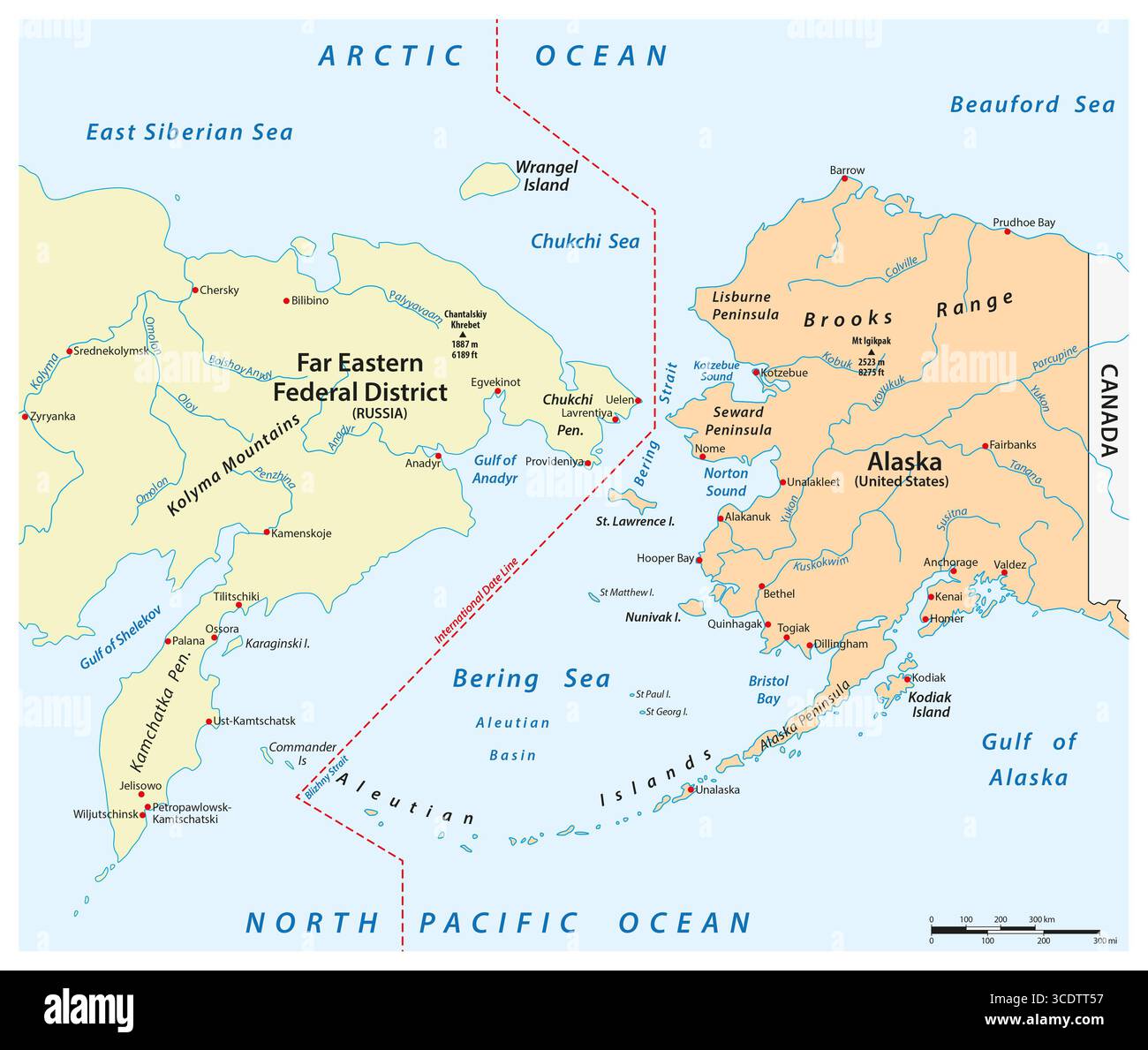
The Bering Strait is a narrow waterway connecting the Arctic Ocean (Chukchi Sea) with the Pacific Ocean (Bering Sea). It's famously situated between the easternmost point of Asia (Siberia, Russia) and the westernmost point of North America (Alaska, USA). This strategic geographical location makes it a crucial passage and a focus of international interest.
How wide is the Bering Strait at its narrowest point?
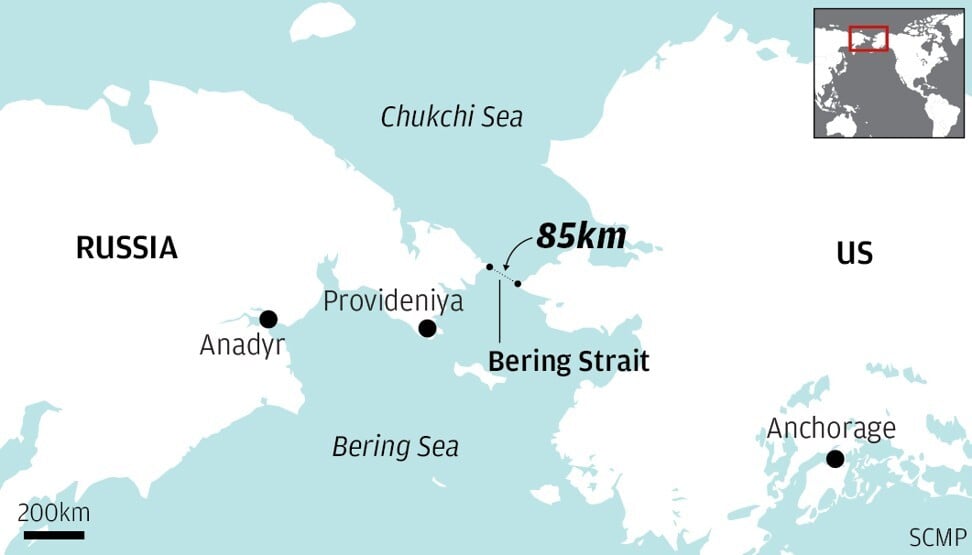
At its narrowest, the Bering Strait is approximately 82 kilometers (51 miles) wide. This relatively small distance allows for unique visual and cultural connections between the two continents. Despite its narrowness, the strait presents significant navigational challenges due to ice and harsh weather conditions.
What is the historical significance of the Bering Strait?
Historically, the Bering Strait is renowned as the location of the Bering Land Bridge, or Beringia. During various ice ages, lower sea levels exposed a vast landmass, enabling ancient humans and animals to migrate from Asia to North America. This land bridge played a pivotal role in populating the Americas.
Do the International Date Line and the US-Russia border run through the Bering Strait?
Yes, both the International Date Line and the maritime border between the United States and Russia pass directly through the Bering Strait. The date line separates the two Diomede Islands, creating a unique situation where residents of Little Diomede (USA) are a day behind Big Diomede (Russia), despite being only miles apart.
What are the Diomede Islands?
The Diomede Islands are two small islands in the middle of the Bering Strait: Big Diomede (Russia) and Little Diomede (USA). These islands are separated by the International Date Line and the US-Russia border. Little Diomede is inhabited by indigenous Alaskan communities, maintaining a unique cultural presence.
What role does the Bering Strait play in climate change?
The Bering Strait is a critical chokepoint for ocean currents and marine life, making it a key indicator of climate change impacts. Warming waters and decreasing sea ice in the strait significantly affect global ocean circulation patterns, marine ecosystems, and weather systems. Scientists closely monitor this region for insights into Arctic and global environmental shifts.
Has anyone ever swum across the Bering Strait?
Yes, there have been successful swims across the Bering Strait. One notable achievement was by Lynne Cox in 1987, swimming from Little Diomede (USA) to Big Diomede (Russia). This feat highlighted the extreme cold and challenging currents of the strait, emphasizing its formidable natural barriers.
Still have questions about the Bering Strait? Dive deeper into its unique geography and historical impact to uncover more! How does the melting ice impact global shipping routes?
Ever wondered what makes the Bering Strait map so incredibly important, beyond just being a skinny bit of water? Honestly, it's way more than just a geographical feature; it's a historical highway and a modern-day climate sentinel. You might not realize it, but this narrow stretch plays a huge role in global conversations. So, let's dive into why everyone's talking about it and what it truly means.
Unraveling the Bering Strait's Mystery
The Bering Strait is that incredibly narrow waterway separating Russia's Chukchi Peninsula from Alaska's Seward Peninsula. It truly connects the Arctic Ocean to the Bering Sea, which is part of the larger Pacific Ocean. This seemingly small gap, roughly 82 kilometers or 51 miles wide at its narrowest point, hides vast historical and environmental significance. It's a place where two continents practically touch.
A Bridge Through Time: The Bering Land Bridge
Many of us have heard stories about ancient migrations, and honestly, the Bering Land Bridge, or Beringia, is central to them. During ice ages, sea levels dropped significantly, exposing a massive landmass that connected Asia and North America. This exposed land allowed early humans and animals to migrate across continents. It's a truly incredible geological event that shaped civilizations. Researchers still find new evidence about these ancient journeys.
The land bridge wasn't just a simple path; it was a vast, ice-free plain. It supported various plant and animal life, making the migration feasible for early peoples seeking new hunting grounds. This area existed for thousands of years, offering a unique biome. Understanding this history helps us grasp humanity's deep past.
Navigational Importance and Modern Dynamics
On a map, you'll see how critical this strait is for navigation, even today. It's not just ancient history; it's a living, breathing, and sometimes very frozen, waterway. The International Date Line actually weaves its way through the strait, separating the two Diomede Islands. One island is Russian, and the other is American, literally a day apart. It's a wild concept, honestly.
The Diomede Islands: Two Worlds Apart
- These two islands, Big Diomede (Russia) and Little Diomede (USA), are just a few miles apart.
- The International Date Line runs right between them, meaning when it's Monday on Little Diomede, it's Tuesday on Big Diomede.
- Locals on Little Diomede can literally look across to Russia, a truly unique vantage point.
- This geographical quirk highlights the strait's unique geopolitical position.
The strait's waters are known for being incredibly challenging for shipping due to ice and extreme weather conditions. But as Arctic ice melts, shipping routes could become more accessible. This presents both economic opportunities and significant environmental concerns. It's a delicate balance, and honestly, nobody's quite sure how it will play out. This area is definitely one to watch.
Climate Change and its Global Impact
When you look at a map of the Bering Strait, you're also looking at a frontline in climate change. This region is warming at an alarming rate, affecting global ocean currents and weather patterns. The melting ice here contributes to rising sea levels, and honestly, it's impacting marine life and indigenous communities dramatically. Scientists are monitoring it closely.
Changes in the Bering Strait influence everything from fish migration patterns to ocean salinity. These shifts aren't just local; they have ripple effects across the entire planet. Understanding the strait's dynamics helps us predict broader environmental trends. It's a crucial monitoring point for Earth's health. We've tried to ignore it, but honestly, we can't anymore.
So, you see, the map of the Bering Strait isn't just about lines on paper; it's a window into history, geopolitics, and our planet's future. It's a place of incredible natural beauty and profound scientific importance. Does that make sense? What exactly are you trying to understand about it?
Geographic link between Asia and North America, historical Beringia land bridge, climate change impact, International Date Line, Diomede Islands.
 Bering Strait
  Vector Map Bering Strait Between Russia Stock Vector Royalty Free Stock Vector Vector Map Of The Bering Strait Between Russia And Alaska
  Bering Strait Map Hi Res Stock Photography And Images Alamy Map Of The Bering Strait Between Russia And Alaska CDTT
  Bering Strait Map Bering Nsidc Lrg
  Estrecho De Bering D Maps Com Mapa Gratuito Mapa Mudo Gratuito Mapa Bering
  Bering Strait Can You Drive From Alaska To Russia Map Of Bering Strait
  Bering Strait World Map Edd eb c x
  Bering Strait Map For Kids United States For Kids Map Laminated Hvrxeyu
  Bering Strait Map For Kids Alaska And Bering Sea
 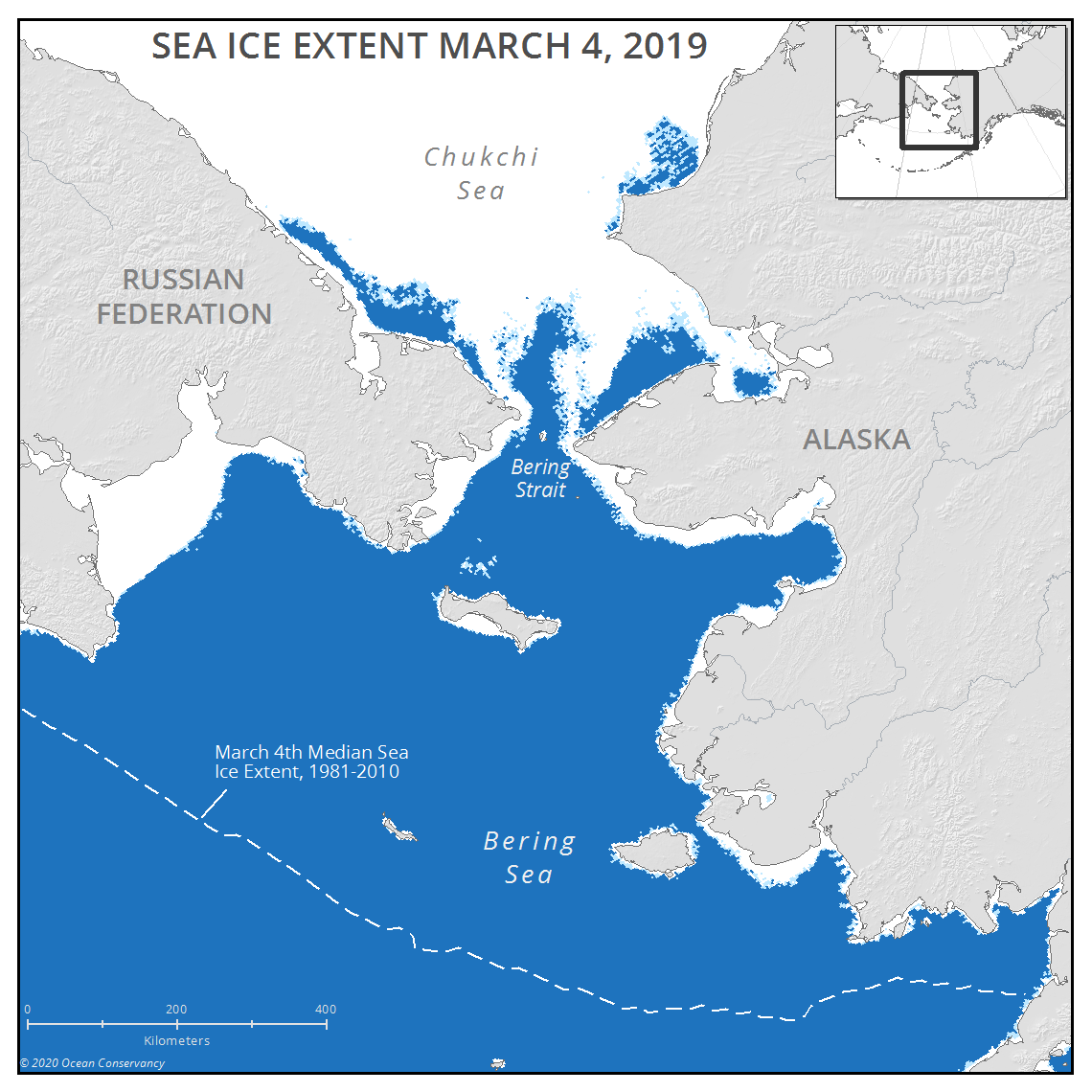 Where Is Bering Sea On A Map At Alyssa Dalziel Blog PS Bering Sea March th Sea Ice Extent Square V
 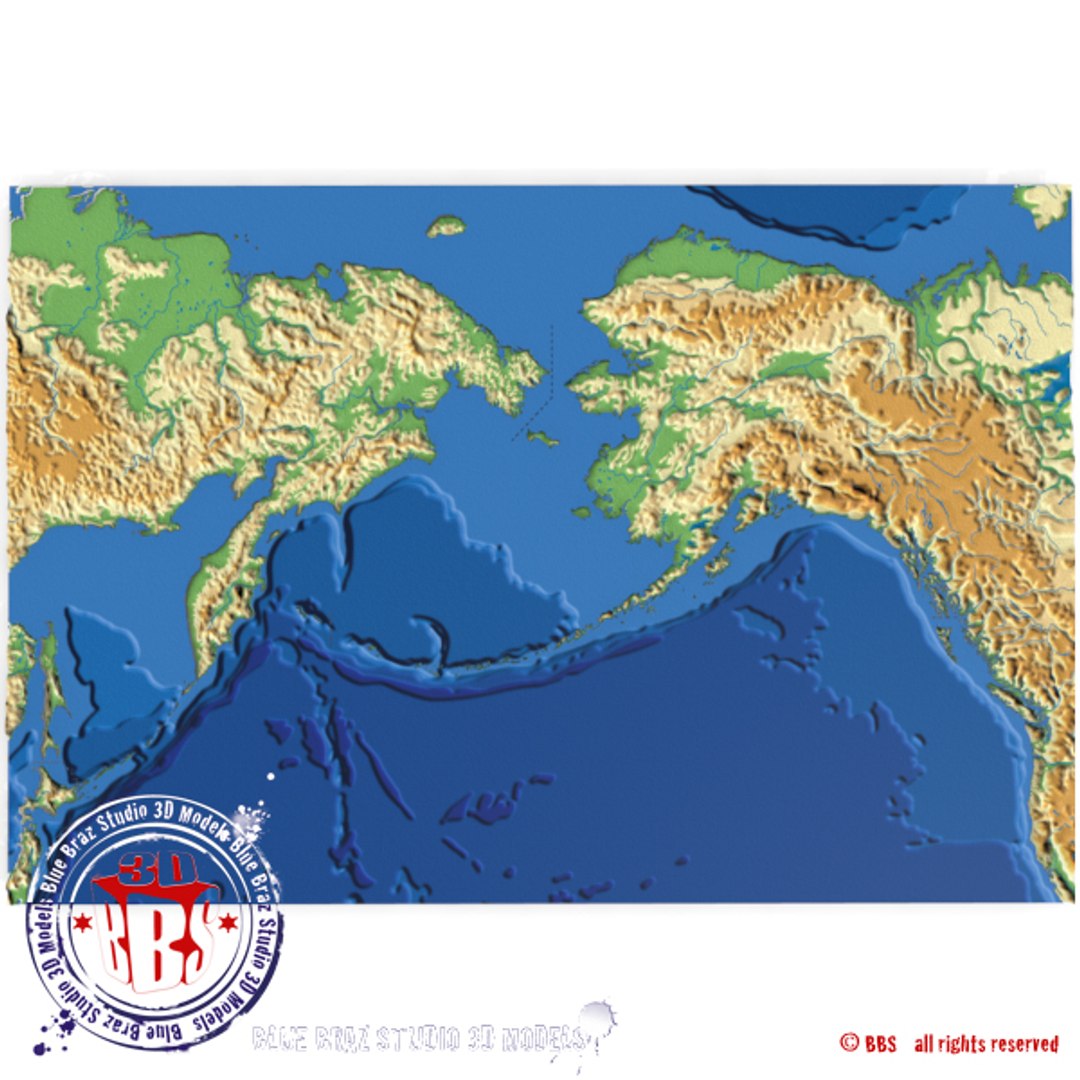 Bering Strait Map