Looking for enriching information about the geography of Poland? This guide dives into the unique features and regions you can discover on a Poland geography map. Understand how the geography shapes Poland's culture, attractions, and its rich history through maps. Get insights into topographical details, major cities, natural landmarks, and provincial borders in this must-read article for geography enthusiasts and travelers alike.
What is the geography of Poland?
Poland's geography features a diverse landscape, including mountains, lakes, and river systems. The country has regions ranging from flat plains in the center to mountainous areas in the south. Key geographical highlights include the Tatra Mountains, the Vistula River, and numerous lakes that play a vital role in its ecology and cultural history.
What are the major cities in Poland?
Major cities in Poland include Warsaw, Krakow, Wrocław, and Gdańsk. Each city has its unique geographical features and historical significance. For example, Warsaw, the capital, resides centrally while Krakow sits in the south, making it a hub for tourism and culture.
How do Poland's borders affect its geography?
Poland shares borders with Germany, the Czech Republic, Slovakia, Ukraine, Belarus, and Lithuania. These borders impact trade, cultural exchange, and historical interactions that shape Poland’s geographical and cultural landscape.
What natural landmarks should I visit in Poland?
When in Poland, don’t miss the Tatra Mountains for hiking and breathtaking scenery, the Baltic Sea for stunning beaches, and the Wieliczka Salt Mine for its incredible underground artistry.
Are there topographical maps available for Poland?
Yes, topographical maps are available online and through local tourism offices. These maps are particularly useful for those looking to explore outdoor activities and understand the country’s complex terrains.
Have you ever wondered what makes Poland's geography so unique? Well, you’re in luck! With rich landscapes and diverse cultures, a Poland geography map can provide fascinating insights into the country’s physical features. From its mountains to river systems, adventurous travelers and geography buffs often seek to understand this remarkable country better. This guide aims to help you navigate through the intricacies of Poland's geographical layout, offering valuable information, tips, and highlights that will deepen your appreciation for this beautiful nation.
Understanding Poland's Geography
The Landscape
Poland is home to an array of diverse geographic features. From the vast plains in the center to the mountainous regions in the south, the country's geography plays a significant role in its environment. Each region boasts different characteristics that contribute to Poland's natural beauty. Here are some of the prominent landscapes on a Poland geography map:
- Mountains: The Tatra Mountains, shared with Slovakia, presents stunning alpine scenery, and is a hotspot for outdoor adventures.
- Lakes: Mazury, known as the Land of a Thousand Lakes, provides tranquil waters ideal for boating and relaxation.
- Forests: Białowieża Forest, one of the last and largest remaining parts of the primeval forest that once covered much of Europe.
- Rivers: The Vistula, Poland’s longest river, flows through many major cities, influencing settlements and trade historically.
The Urban Centers
Poland’s cities are a significant aspect of its geography. Understanding their locations is essential when exploring the country. Major urban centers include:
- Warsaw: The capital city located in the east-central part of Poland, notable for its modern architecture and historical districts.
- Krakow: Known for its medieval core and Jewish heritage, located in the southern part of the country.
- Wrocław: This charming city on the Oder River features an impressive market square and rich history.
- Gdańsk: A significant port city on the Baltic Sea, famous for the Solidarity movement and beautiful architecture.
Natural Landmarks
Beyond cities, Poland's geography is dotted with natural landmarks worth exploring:
- Wieliczka Salt Mine: Located near Krakow, this UNESCO World Heritage site is famous for its stunning underground chapels carved from salt.
- The Bieszczady Mountains: Perfect for hiking and wildlife observation, offering a more remote escape into nature.
- The Baltic Sea Coast: Not only does it provide picturesque beaches, but it also has historical significance dating back to the Middle Ages.
Geographical Regions of Poland
The country is often divided into several geographical regions, each with its unique characteristics and charm. Here’s a closer look:
Central Poland
This region includes the capital, Warsaw. Known for its flat landscapes and river valleys, it plays a crucial role in politics, culture, and economy. It's also a great starting point for travels throughout the country.
Southern Poland
This area is characterized by mountainous terrains like the Tatra, Silesian, and Beskid mountains, creating regional diversity in climate and biodiversity. It attracts many tourists for skiing and hiking activities.
Northern Poland
The northern region is heavily influenced by the Baltic Sea. Here, you will find sandy beaches and coastal resorts perfect for summer getaways. Natural parks, like Słowiński, offer unique landscapes with shifting sand dunes.
Western Poland
This area shares borders with Germany and is known for its rich history and industrial cities like Poznań. It also features a blend of landscapes from lush green areas to urban settings.
Eastern Poland
Characterized by rural landscapes and historical sites that reflect a mix of Polish and Eastern European cultures. It’s less visited, which gives it an authentic Polish charm.
Poland's Borders and Neighbors
Poland shares its borders with several countries that influence its geography and cultural landscape. It is bordered by Germany to the west, the Czech Republic and Slovakia to the south, Ukraine and Belarus to the east, and Lithuania to the north. An understanding of these borders offers insight into Poland’s historical relationships and trade routes.
FAQs on Poland Geography Maps
What are the major physical features of Poland?
Major physical features include the Tatra Mountains, the Vistula River, and the Baltic Sea coastline. Poland's diverse terrain offers something for every traveler.
How do I read a geography map of Poland?
Understanding map legends is key. Look for symbols indicating mountains, rivers, and cities. Familiarize yourself with color coding that typically distinguishes elevations and land types.
Are there detailed topographical maps of Poland available?
Yes, detailed topographical maps can often be found through local tourism offices or online resources. They are great for hiking planning and exploring off-the-beaten-path locations.
What is the significance of the Vistula River?
The Vistula is crucial as it influences the geography, culture, and economy of the regions it flows through. It's also a historical waterway for trade.
How does geography impact Polish culture?
Geography influences local customs, food, architecture, and even dialects. Each region's landscape dictates lifestyles, from fishing communities along the coast to mountain towns and city centers.
Conclusion
Exploring Poland through its geography map opens a world of understanding about its diverse environments and cultural nuances. Whether you’re planning a trip or just curious about this stunning nation, knowing its geographical layout can enhance your appreciation for what Poland has to offer. Pack your bags and embrace the wonders of Poland!
Summary of Key Insights
This article provided a detailed overview of Poland's geography, mapped out its landscapes, cities, natural landmarks, and borders. Understanding these elements is essential for anyone interested in visiting Poland or wishing to learn more about this fascinating country. Exploring a Poland geography map can guide your travels and enrich your experience through this remarkable European nation.
Poland's geography features diverse landscapes including mountains, lakes, and rivers. Understanding the regional distribution helps tourists plan their visits effectively. Maps reveal the country’s historical influences and cultural diversity. Major geographical features include the Tatra Mountains, the Vistula River, and significant urban centers like Warsaw and Krakow.
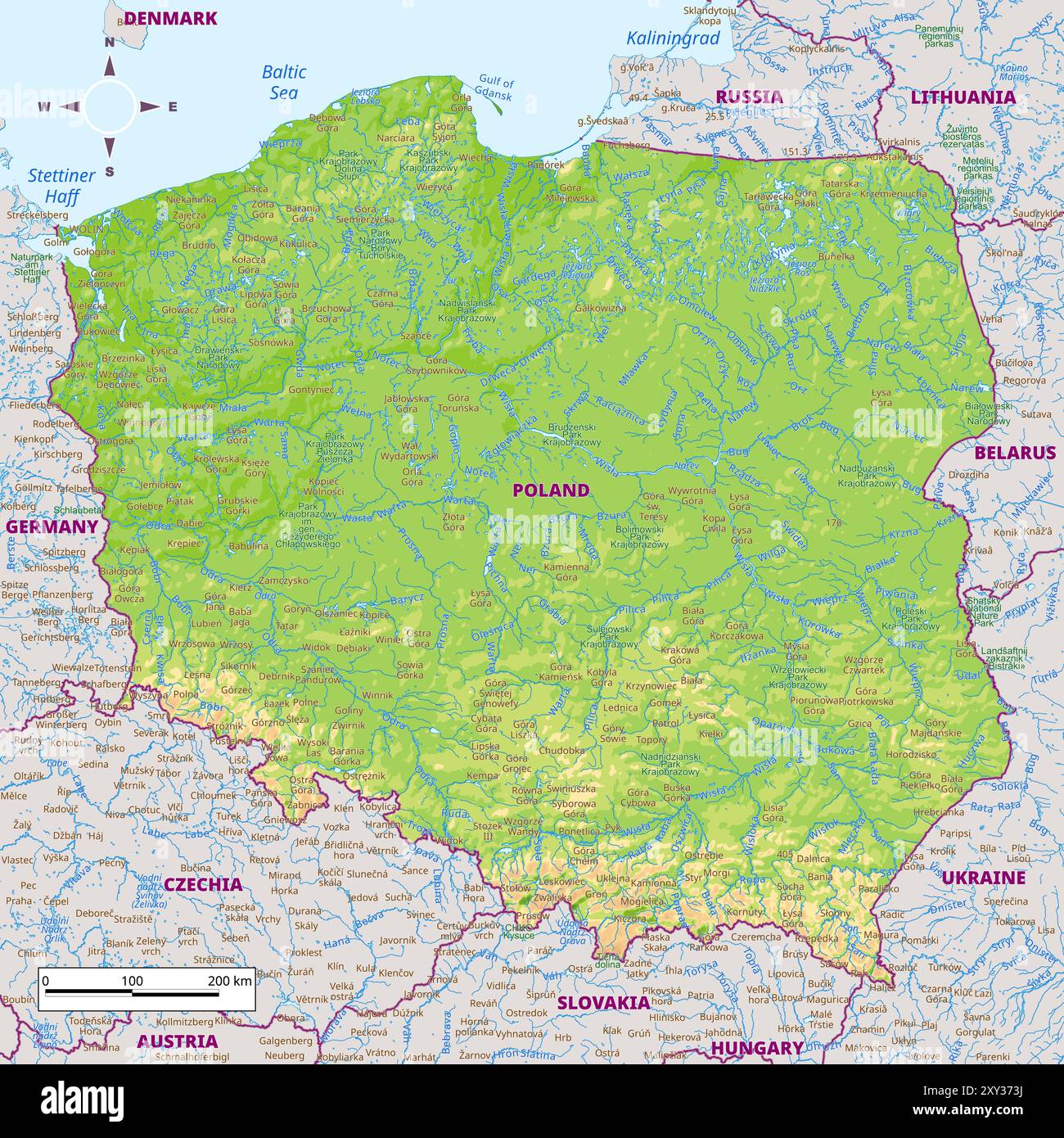 Poland Physical Map With National Borders Rivers And Lakes Mountains Poland Physical Map With National Borders Rivers And Lakes Mountains Parks Labeling XYJ
 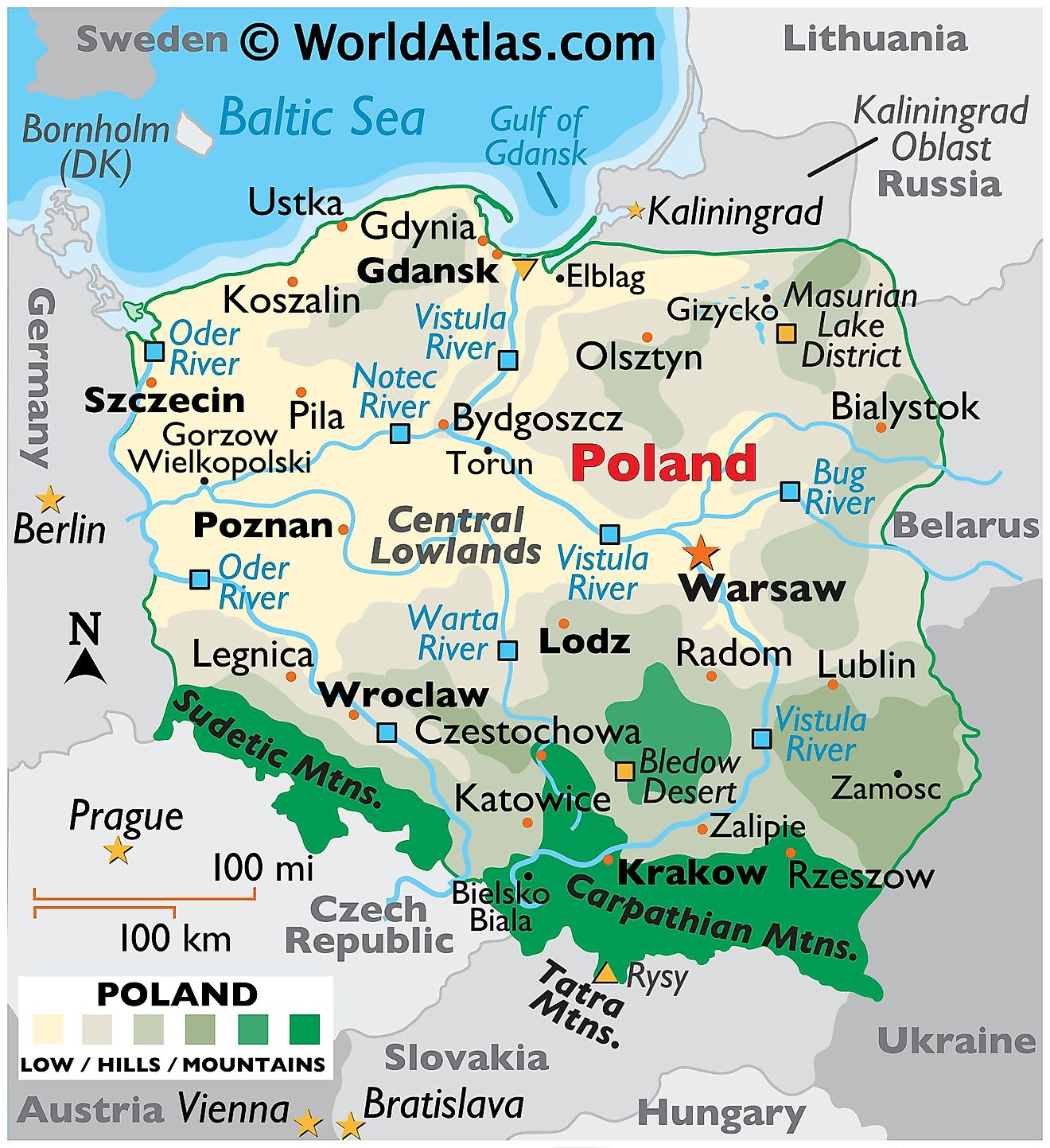 Poland Maps Facts World Atlas Pl
 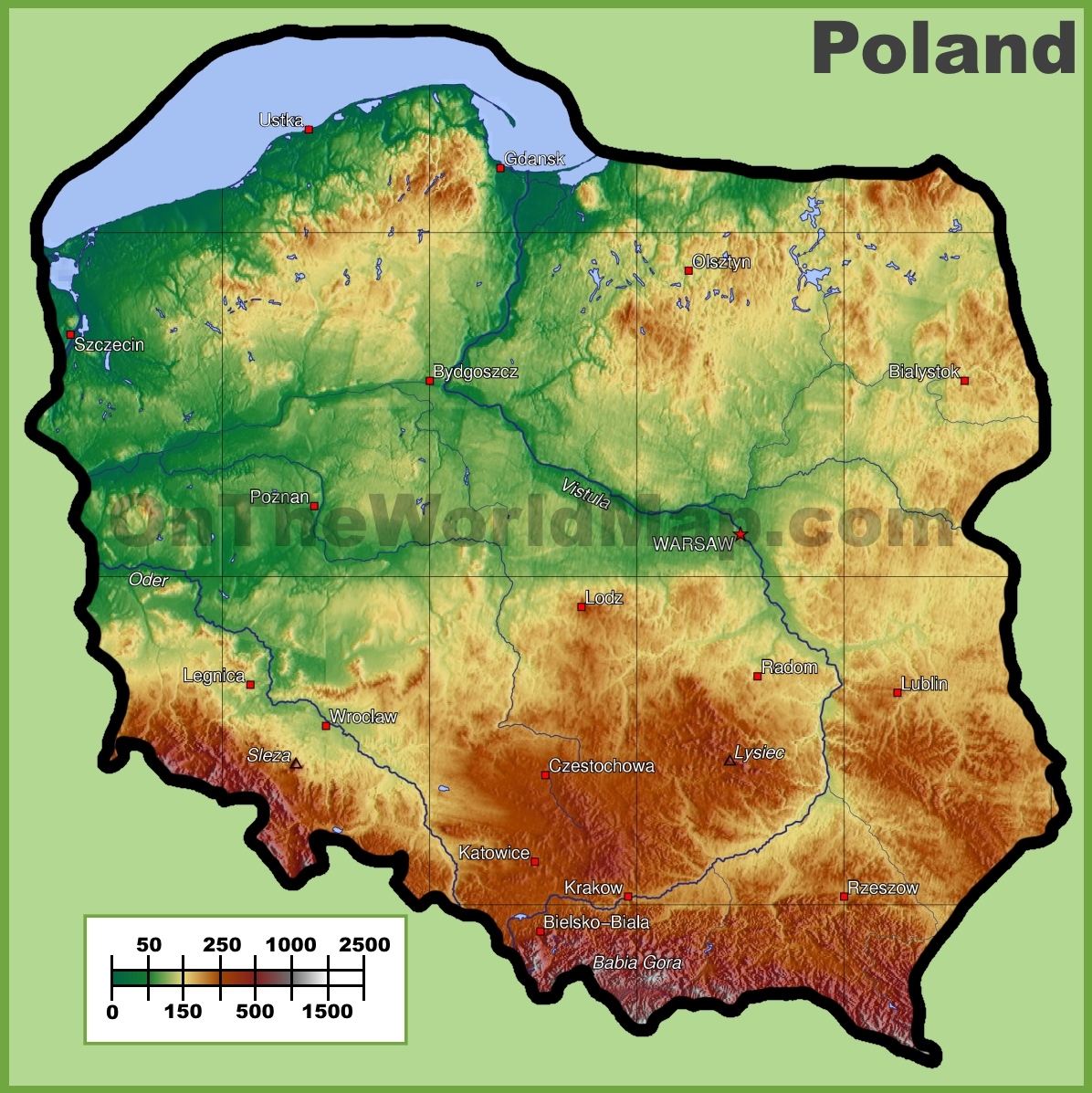 Poland Physical Map Poland Physical Map
  Geography Now Poland At Mackenzie Balfour Blog Regions Map
 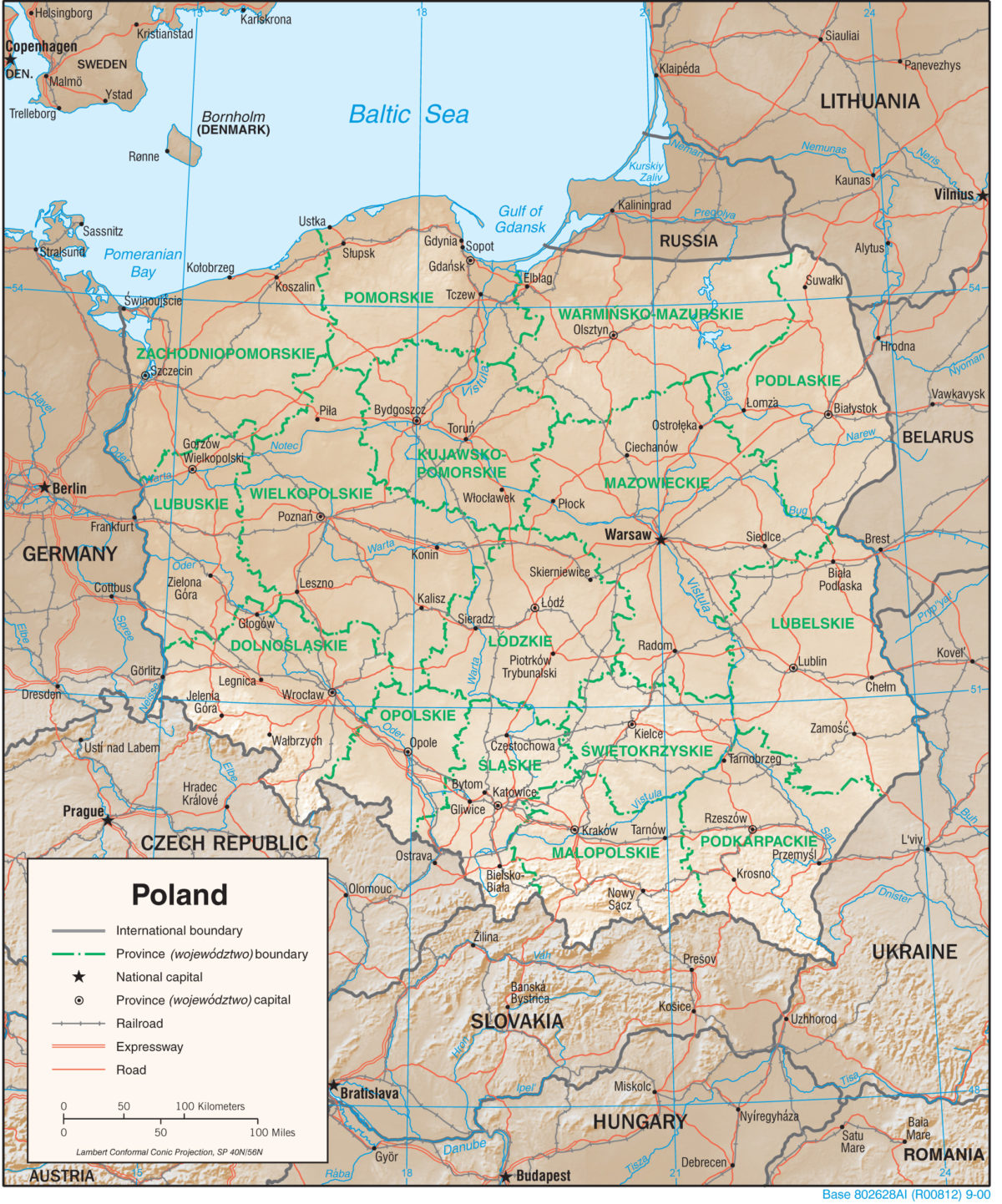 Geographic Map Of Poland Country Report Poland x
 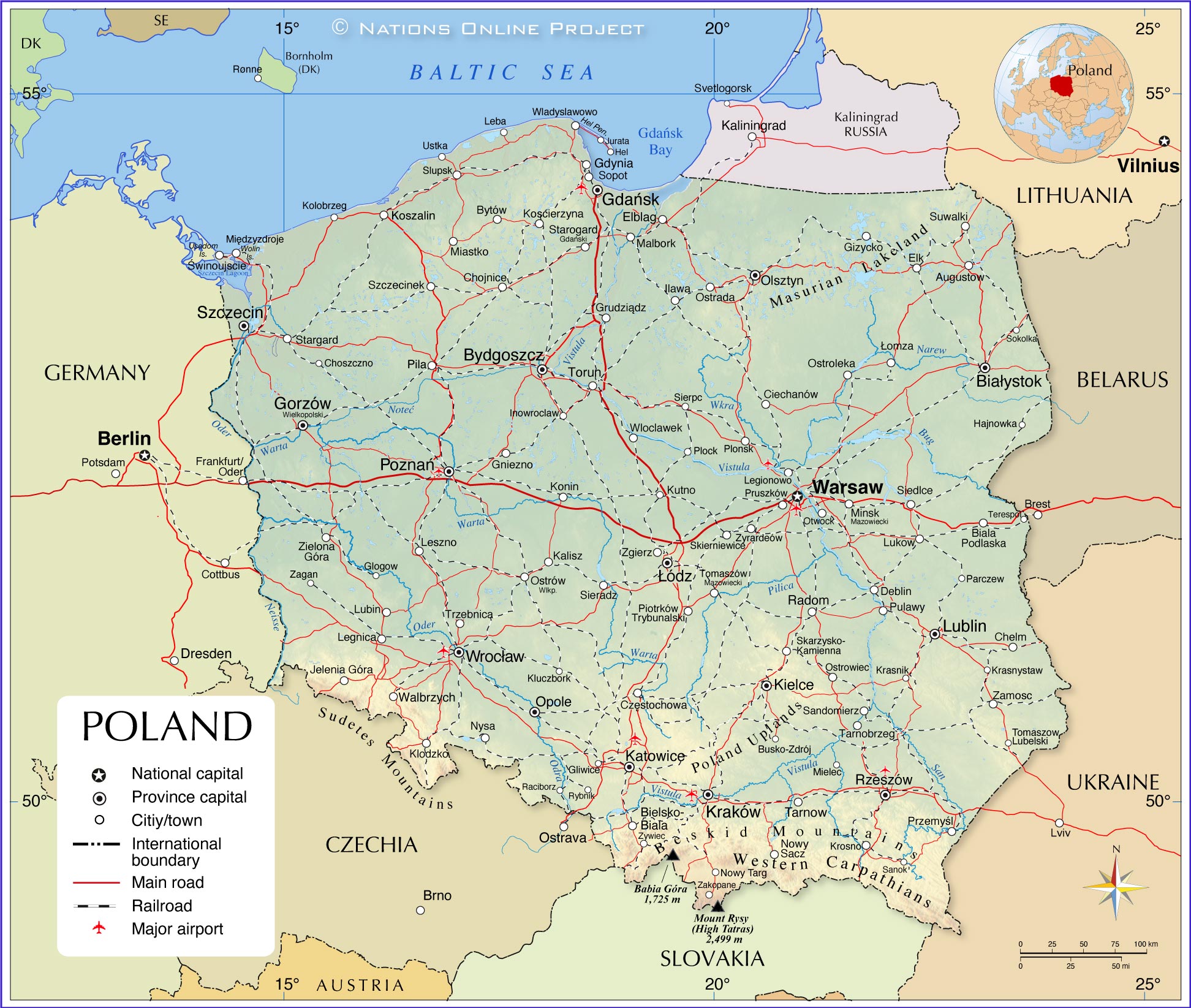 Political Map Of Poland Nations Online Project Poland Map
 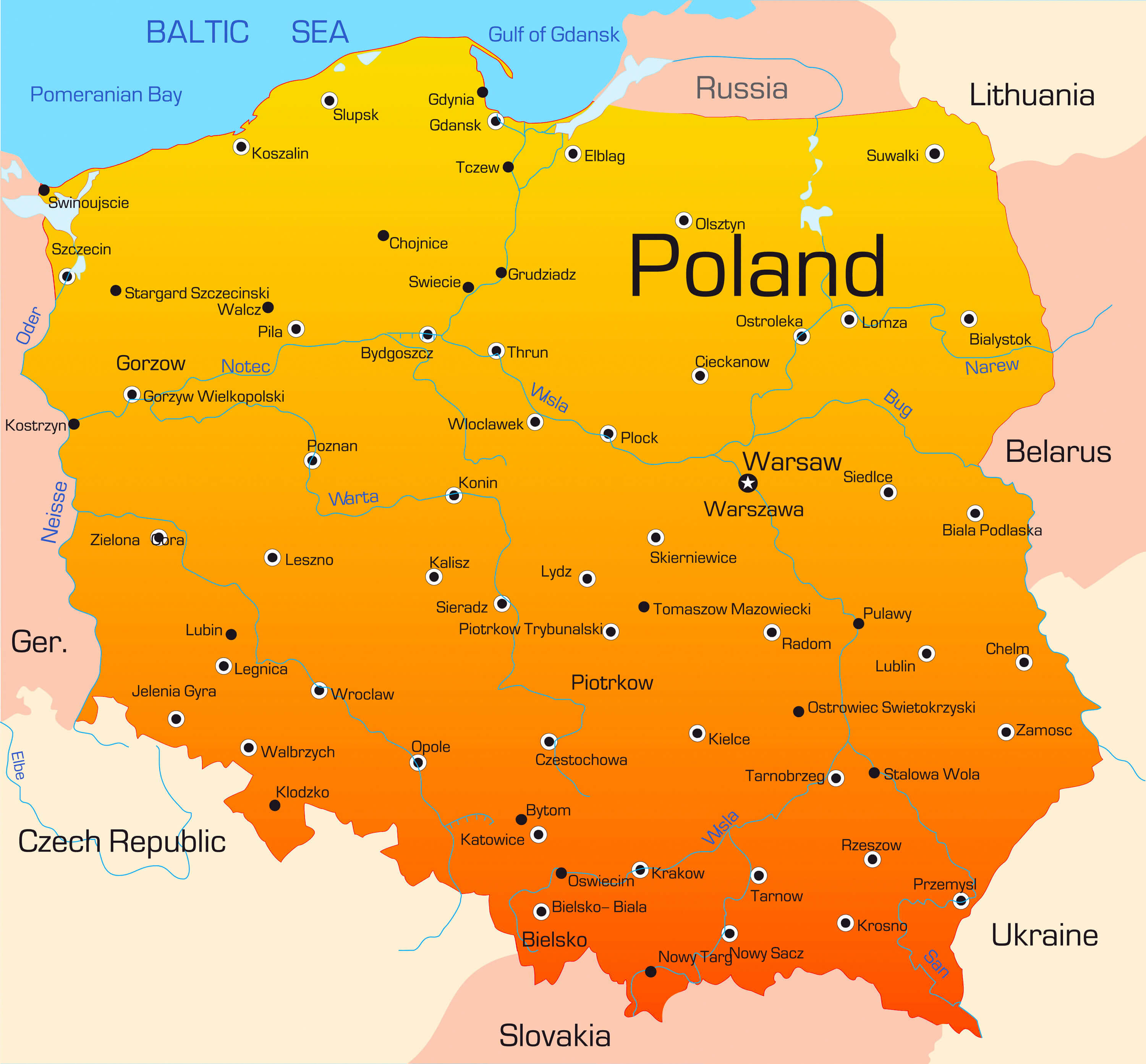 Poland Map Guide Of The World Color Map Of Poland
 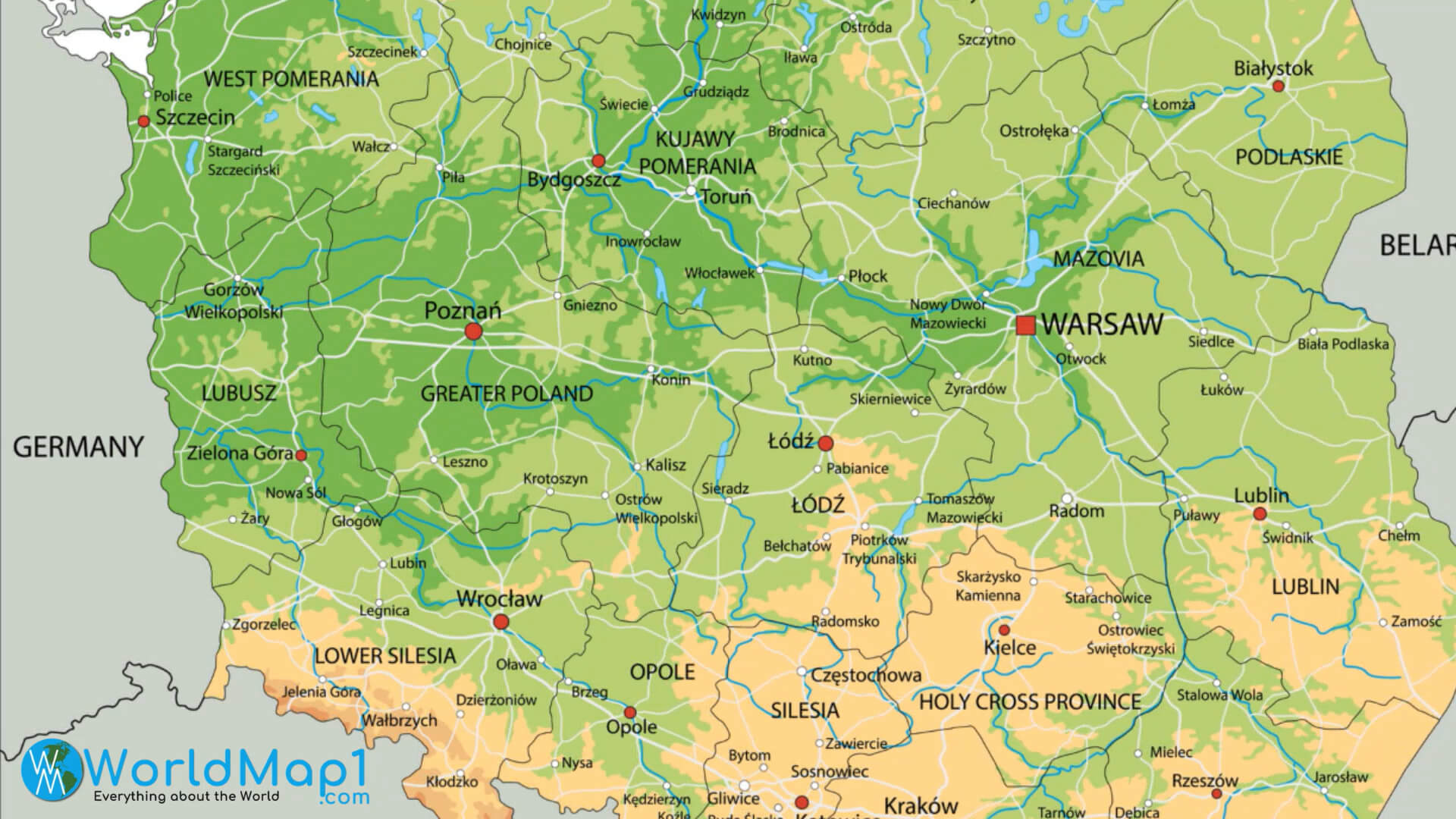 High Detailed Poland Map Poland Physical Map
  Poland Physical Map Poland Hd Map
 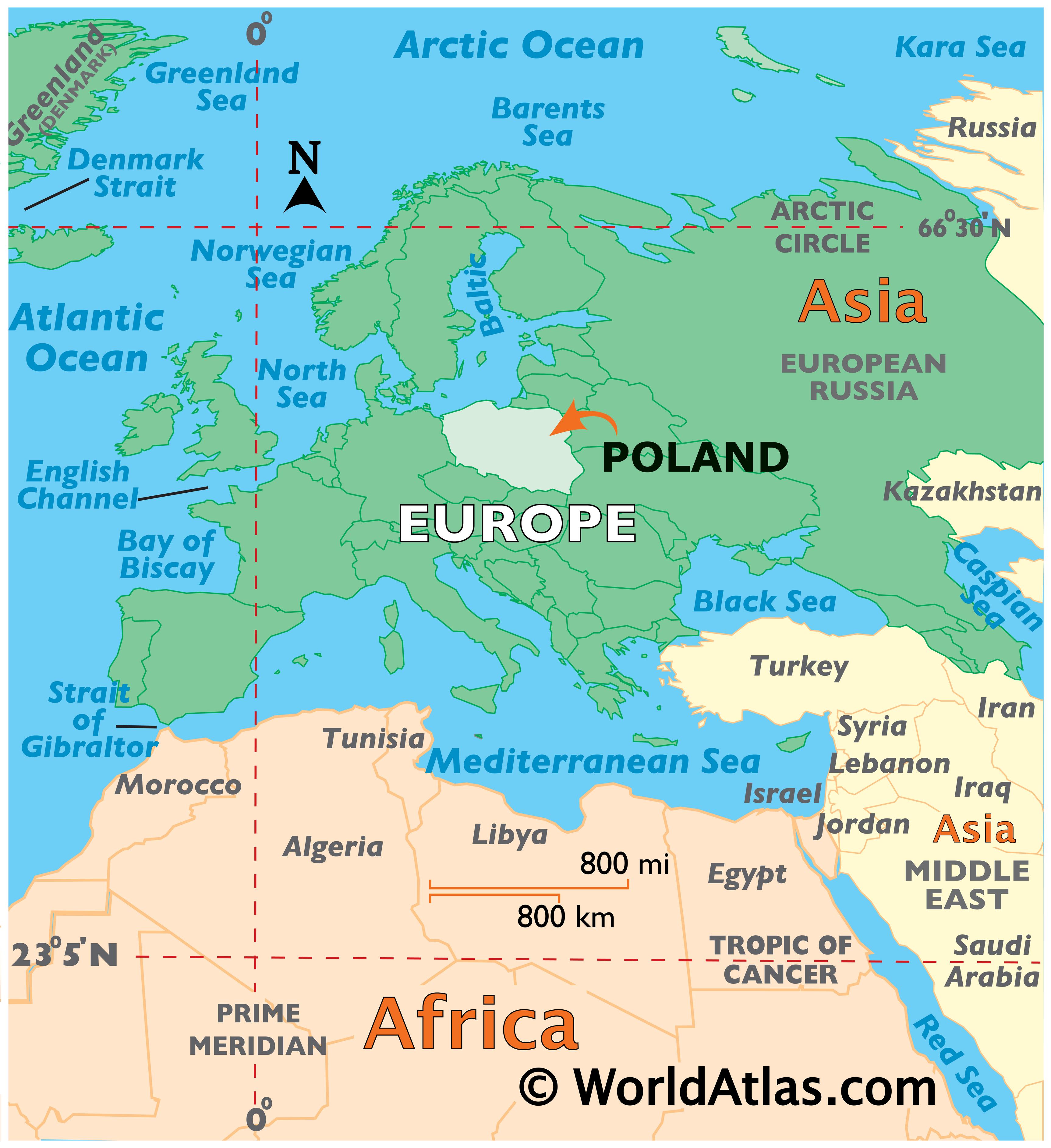 Poland Maps Facts World Atlas Pl
  Poland Geography Now Poland Modern Map Percentage Infographic Template Detailed Infographic Map Poland